Gardens worth slowing down for.
Practical guides to flowers, food and outdoor spaces, season by season, written by two gardeners and checked by an editor.
Four ways into the garden
Pick the question you came with. Every guide on Dew Meadow lives under one of these.
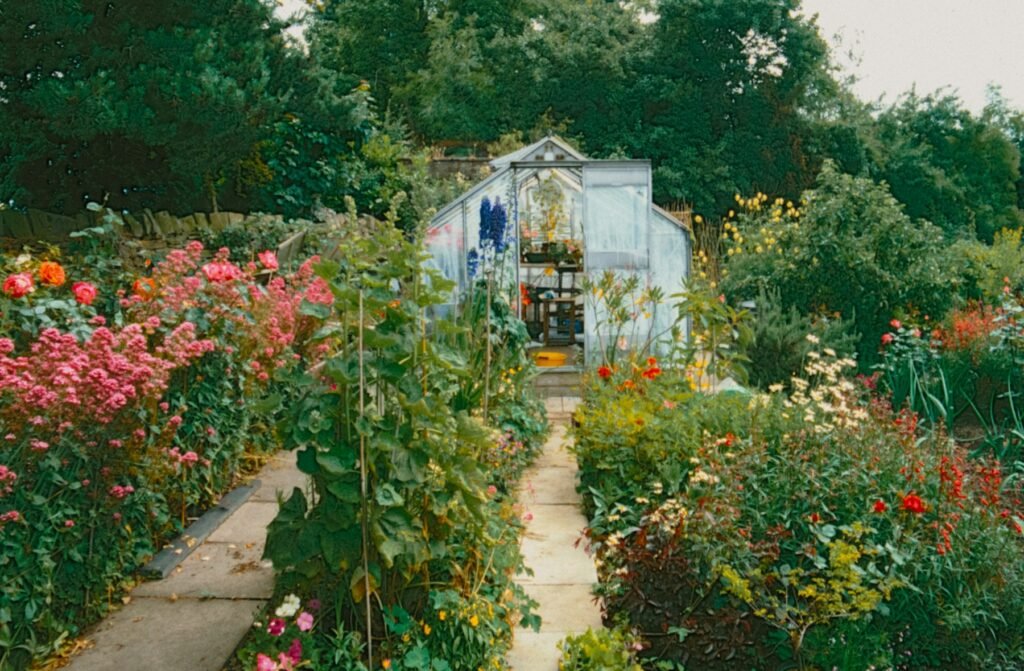
Garden Design & Ideas
Garden styles, layouts and seasonal displays, from cottage borders to prairie planting and small courtyards.
Explore Design & IdeasPlants & Growing
What to plant and where: perennials, shrubs, edibles, herbs, seed starting and plants for every tricky spot.
Explore Plants & GrowingGarden How-To & Fixes
Soil, compost, watering, pruning and plant problems explained step by step, so you know why a fix works.
Explore How-To & Fixes
Outdoor Living & DIY
Patios, paths, pergolas, greenhouses and weekend builds that make a garden a place to spend time.
Explore Outdoor LivingFresh from the potting bench
Browse every guide
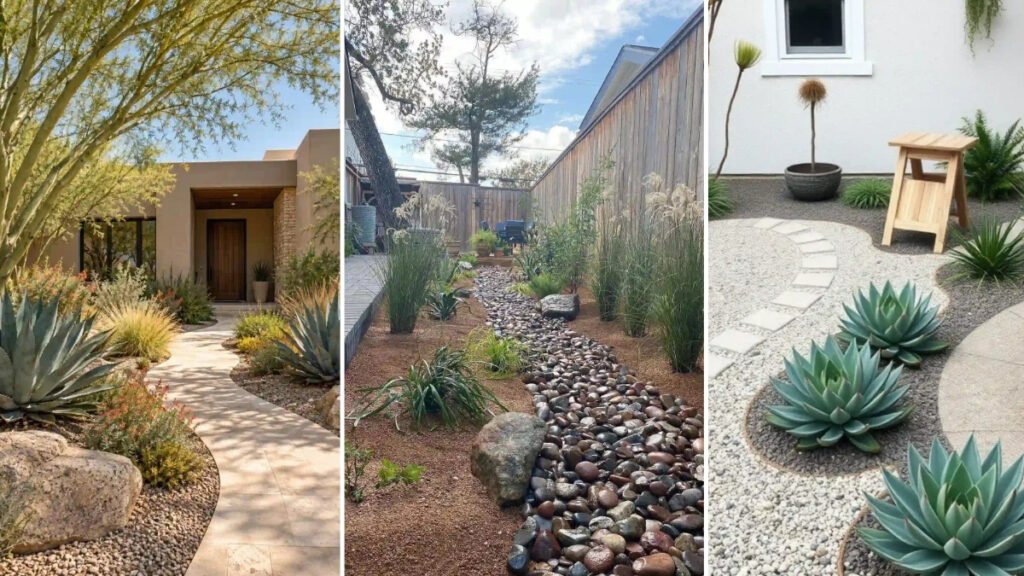
17 Meadow Garden Ideas That Replace Your Lawn Beautifully
An ordinary lawn can make a backyard feel flat, while dry patches and constant mowing steal time from the garden. Replacing grass with flowers sounds inviting, but choosing the right plants and…





In the garden this month
Timings suit temperate, northern-hemisphere gardens. Shift a month either way for warmer or colder spots.
January
- Plan this year's beds and order seeds while choice is best.
- Winter-prune apple and pear trees while they are dormant.
- Check stored dahlia tubers and bulbs; discard anything soft.
Looking good nowHellebores and witch hazel
February
- Set seed potatoes in egg boxes to sprout in a cool, bright room.
- Sow sweet peas and chilies indoors.
- Cut back ornamental grasses before new shoots appear.
Looking good nowSnowdrops and early crocus
March
- Sow tomatoes, peppers and cabbage family crops under cover.
- Spread compost over beds as the soil warms.
- Lift and divide crowded clumps of summer perennials.
Looking good nowDaffodils and fruit blossom
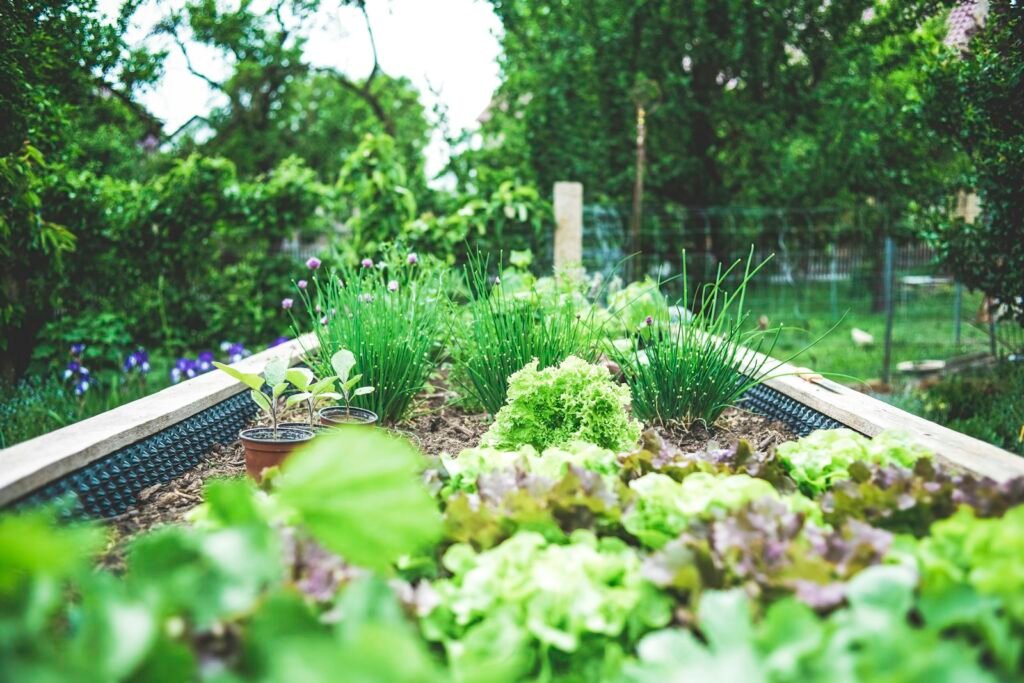
April
- Sow carrots, beets and salad leaves straight into the ground.
- Harden off seedlings outdoors for a week before planting.
- Stake peonies and delphiniums before they flop.
Looking good nowTulips and the first asparagus
May
- Plant out tender crops once the last frost has passed.
- Thin seedlings and mound soil around potato shoots.
- Check new shoots for aphids and squash small colonies early.
Looking good nowAlliums and the first roses
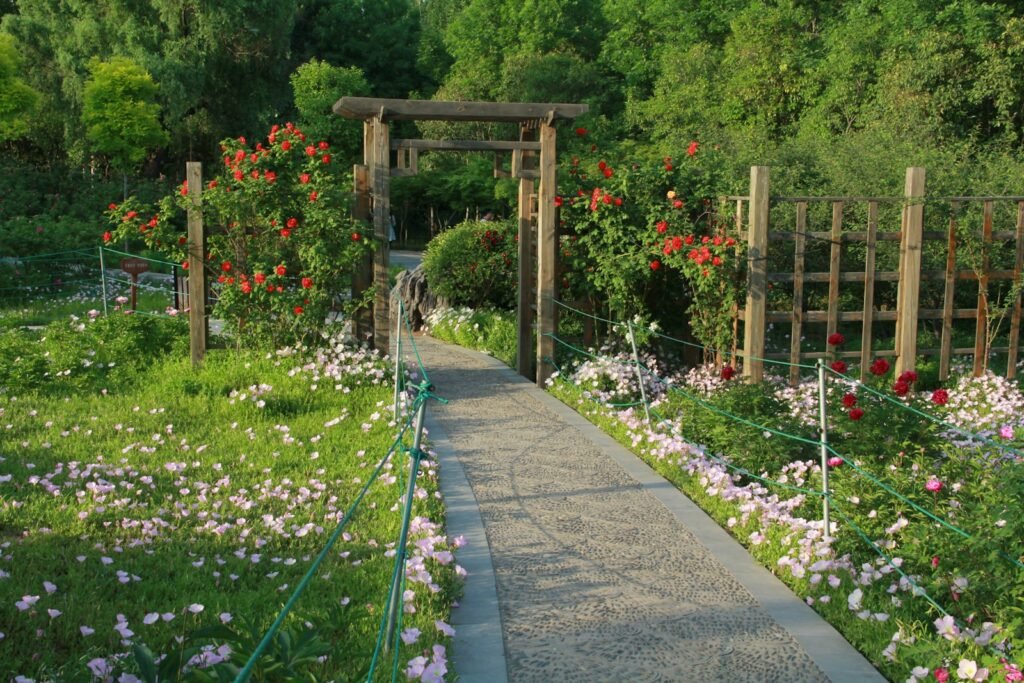
June
- Water deeply and less often, at the base of plants.
- Pinch out the side shoots on cordon tomatoes.
- Deadhead roses so they keep producing buds.
Looking good nowRoses at their peak and strawberries
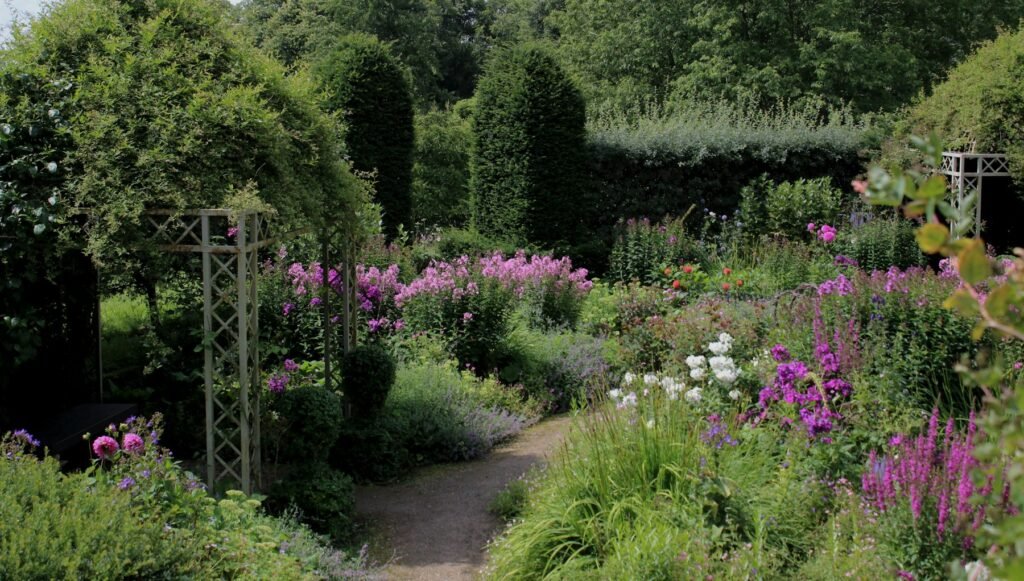
July
- Pick zucchini and beans every few days to keep them coming.
- Feed containers weekly with a liquid feed.
- Shorten wisteria's long whippy shoots to five leaves.
Looking good nowSweet peas and lavender
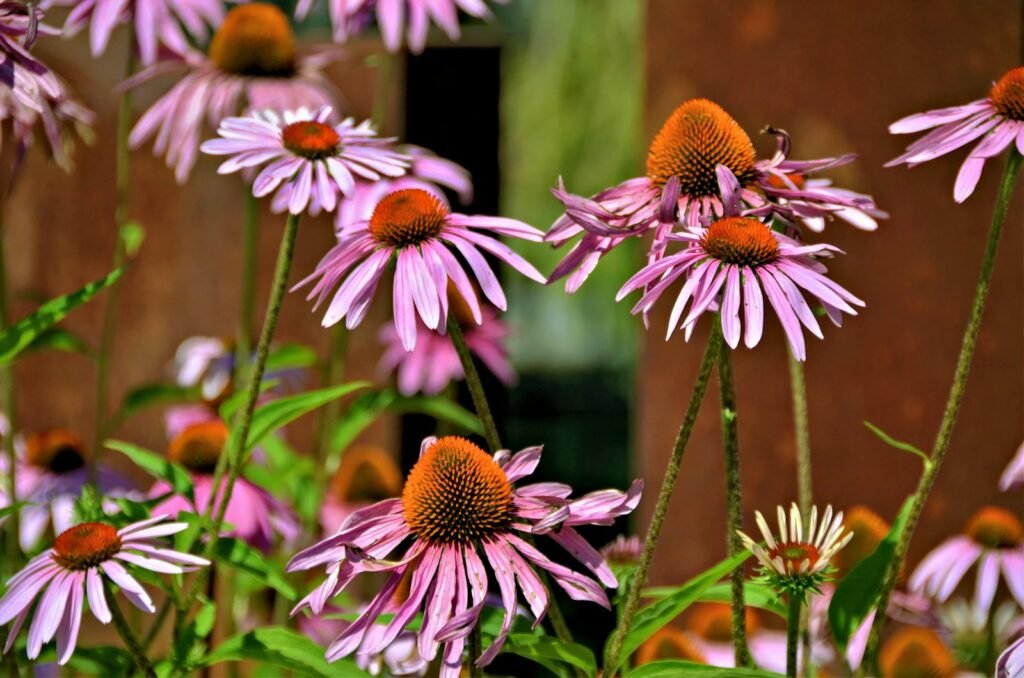
August
- Take cuttings of lavender, salvia and geraniums.
- Collect seed from your favorite annuals on a dry day.
- Keep bird baths and ponds topped up.
Looking good nowDahlias and ripe tomatoes
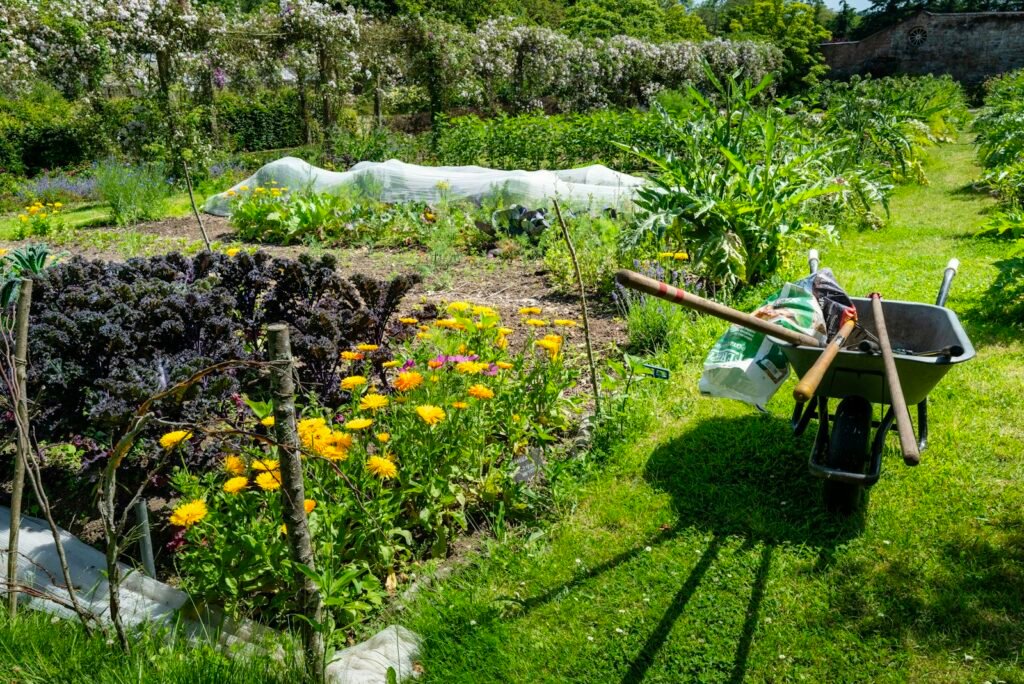
September
- Start planting spring bulbs, beginning with daffodils.
- Sow a green manure on beds that are now empty.
- Lift onions and leave them to dry before storing.
Looking good nowAsters and the apple harvest

October
- Plant garlic cloves and spring-flowering bulbs.
- Rake fallen leaves into bags to rot down into leaf mold.
- Mulch borders while the soil still holds some warmth.
Looking good nowAutumn color and pumpkins
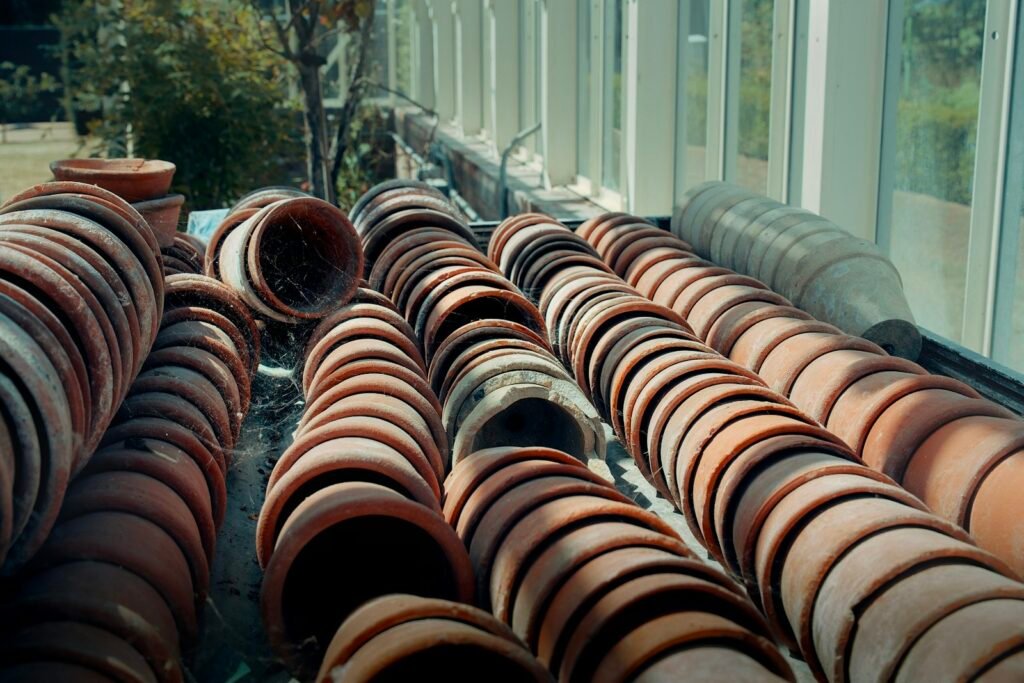
November this month
- Plant tulip bulbs and bare-root roses.
- Clean, sharpen and oil tools before putting them away.
- Move tender pots against a wall or wrap them against frost.
Looking good nowBerries and seed heads
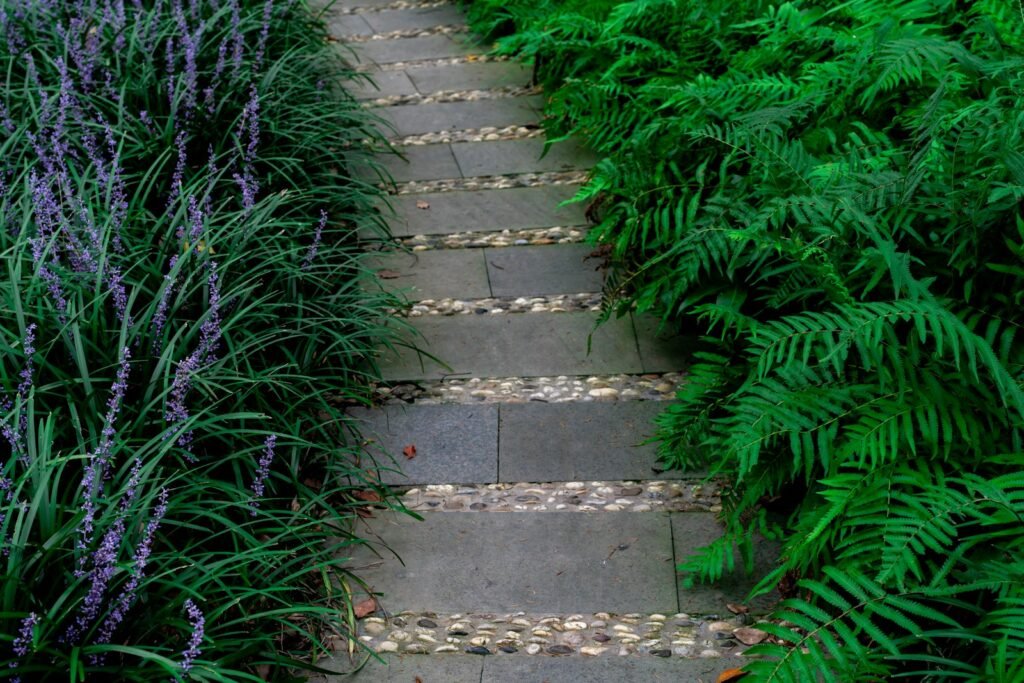
December
- Plant bare-root hedging and fruit trees on mild days.
- Check stored crops and remove anything turning soft.
- Leave seed heads standing for birds and feed them regularly.
Looking good nowEvergreens and winter bark
Something looks wrong?
Choose what you are seeing. We will show the usual causes and the first thing to check, before you reach for a spray.
Likely causes
- Too much water or poor drainage
- Lack of nitrogen, when older leaves yellow first
- Natural shedding of the lowest leaves
Check this first
Push a finger two inches into the soil before you water. If it is wet, hold off and improve drainage before feeding.
Read our guides on yellowing leavesLikely causes
- Powdery mildew, which thrives on dry roots and humid air
- Plants spaced too closely for air to move
Check this first
Remove the worst leaves, water at the base rather than overhead, and open up crowded growth.
Read our guides on white powdery coatingLikely causes
- Slugs and snails: ragged holes and silvery trails
- Caterpillars: holes plus small dark droppings
- Flea beetles: lots of tiny shot holes
Check this first
Go out after dark with a flashlight. Seeing the culprit tells you which fix to use.
Read our guides on holes in leavesLikely causes
- Blossom end rot: calcium not reaching the fruit
- Uneven watering, usually after a dry spell
Check this first
Water deeply on a regular schedule and mulch to keep the soil evenly moist. The next fruits usually grow clean.
Read our guides on black patch under tomatoesLikely causes
- Not enough light, so stems stretch toward it
- A room that is too warm for young plants
Check this first
Move them to the brightest spot you have, or keep a grow light a few inches above the tops, and run them a little cooler.
Read our guides on tall, floppy seedlingsLikely causes
- Feed too high in nitrogen, which favors leaves
- Fewer sun hours than the plant needs
- Pruned at the time it was forming buds
Check this first
Pause the feeding, count the hours of direct sun the spot gets, and check when that plant should be pruned.
Read our guides on healthy plant, no flowersLikely causes
- Underwatering or drying wind
- Salt build-up from fertilizer in pots
Check this first
Water slowly until it runs from the base. For pots, flush the compost with plain water once a month.
Read our guides on brown, crispy edgesLikely causes
- Root rot from waterlogged soil
- A wilt disease blocking the stems
Check this first
Ease the plant from its pot and look at the roots. Firm and pale is healthy; brown and mushy means rot.
Read our guides on wilting in moist soilThe gardeners behind the guides
Useful gardening advice should explain why a method works, not just what to do.
The idea Dew Meadow was built on



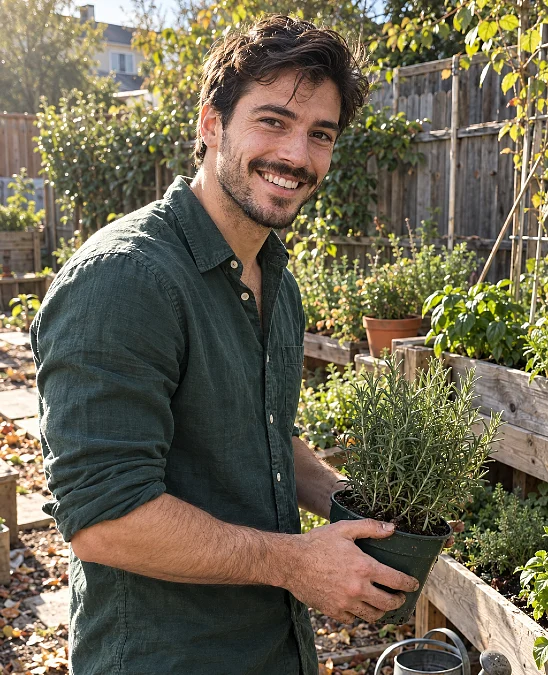
- Practical firstAdvice you can use in a garden of any size, from a balcony to a big plot.
- Edited for the whyEach guide explains the reason behind a step, so you can adapt it to your own garden.
- Kept up to dateGuides show the date they were last reviewed, and change when the advice does.